
In the fast-paced world of e-commerce and business operations, efficient shipping and postage management are crucial for success. Stamps.com has long been a staple in this arena, offering online postage solutions that streamline shipping processes.
However, as the market evolves, businesses seek alternatives that cater to diverse needs and preferences. In this comprehensive article, we delve into the realm of Stamps.com alternatives and competitors, exploring their features, benefits, and suitability for various business scenarios.
We’ll discuss their features, highlight their strengths and weaknesses, and provide insights to help businesses make informed decisions when choosing the right shipping solution for their specific requirements.
Whether you’re a small business owner, an e-commerce enthusiast, or a large enterprise, understanding these alternatives can lead to more streamlined shipping operations, enhanced customer experiences, and ultimately better business outcomes.
Let’s get started!
Stamps.com: A Comprehensive Overview
Stamps.com is a widely recognized online postage and shipping solution that allows businesses and individuals to print postage labels, manage shipments, and streamline the shipping process. It eliminates the need for manual trips to the post office by enabling users to access USPS services and print postage labels directly from their computers.
Key Features:
- Online Postage Printing: Users can print USPS-approved postage labels from their computers.
- Shipping Integration: Integrates with popular e-commerce platforms and marketplaces for seamless order processing and label printing.
- USPS Services: Provides access to various USPS services, including domestic and international shipping options.
- Address Validation: Validates and corrects addresses to prevent shipping errors.
- Batch Label Printing: Enables the printing of multiple labels at once for efficiency.
- Tracking and Notifications: Offers tracking information and notifications to keep both businesses and customers informed.
Pros:
- Convenience: Users can print postage labels from their own premises, saving time and effort.
- Integration: Integrates with various e-commerce platforms, simplifying order fulfillment.
- Address Validation: Helps prevent delivery issues due to incorrect addresses.
- Time and Cost Savings: Reduces the need for manual trips to the post office, saving both time and transportation costs.
- Access to USPS Services: Provides access to a range of USPS shipping options.
Cons:
- Limited Carrier Options: Primarily focused on USPS services, limiting carrier diversity.
- Learning Curve: New users might need time to understand and navigate the platform.
- Subscription Fees: Stamps.com requires a subscription, and costs can add up over time.
- Customer Support: There have been complaints from certain customers about the slow response time of the service team.
The Landscape of Shipping Solutions: Beyond Stamps.com
Stamps.com has established itself as a reliable and convenient tool for generating postage labels, managing shipments, and simplifying the shipping process. However, it’s essential to acknowledge that no single solution fits all businesses. Depending on your shipping volume, budget, integrations, and specific requirements, you might find that other alternatives better suit your needs.
ReachShip: A Comprehensive Shipping Solution
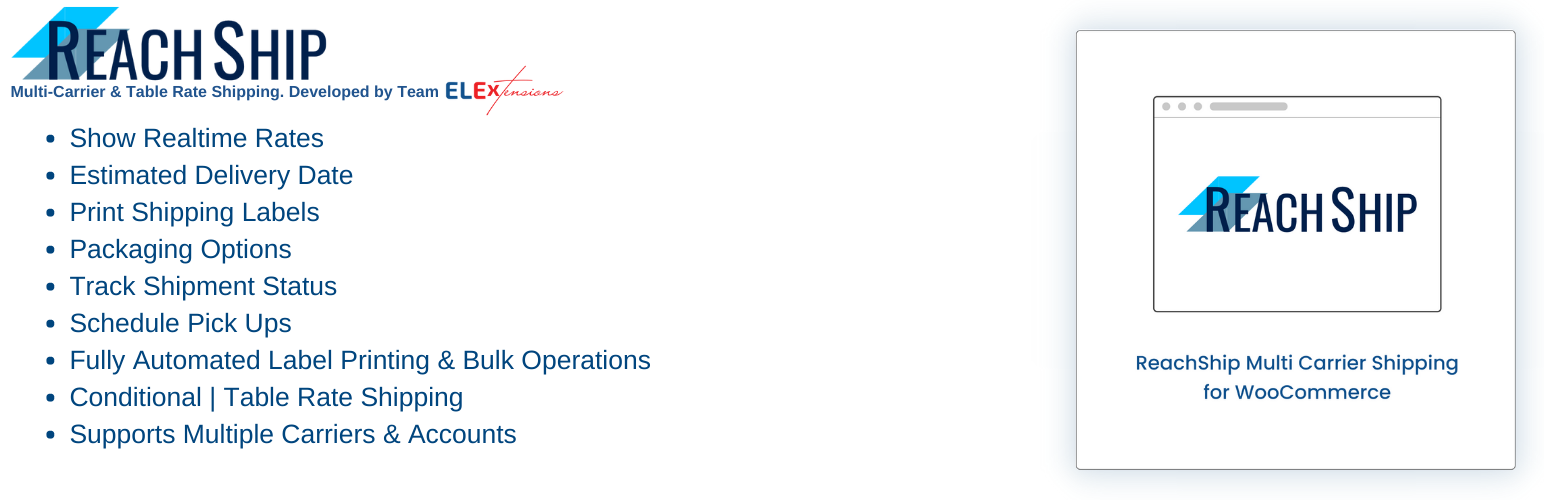 ReachShip stands as a versatile and all-encompassing SaaS-based shipping solution that simplifies shipping operations for businesses of all sizes. It goes beyond the capabilities of Stamps.com by offering multi-carrier support, allowing businesses to choose the most suitable carrier for their shipping needs. With automated label generation, real-time tracking, and a user-friendly interface, ReachShip empowers businesses to efficiently manage their shipping processes.
Pros:
- Multi-Carrier Support: ReachShip supports multiple carriers, allowing businesses to choose the most suitable real-time rate options for their shipping needs.
- Automated Label Generation: The platform automates label creation, saving time and reducing the chances of errors.
- Real-Time Tracking: Customers can track their orders in real-time, enhancing transparency and customer satisfaction.
- Conditional Shipping & Table Rate Shipping: Advanced shipping options like conditional shipping and table rate shipping allow you to take charge of your shipping process. Items, shipping classes, cart values, product categories, and shipping addresses can all be used to set up complex rules.
- Bulk Shipment Creation & Pickup Scheduling: Create many shipments at once, arrange for multiple pickups, and perform other bulk operations for streamlined order and package management.
Cons:
- Learning Curve: The platform may have a learning curve for businesses new to shipping software.
Shippo: Simplifying Shipping Operations
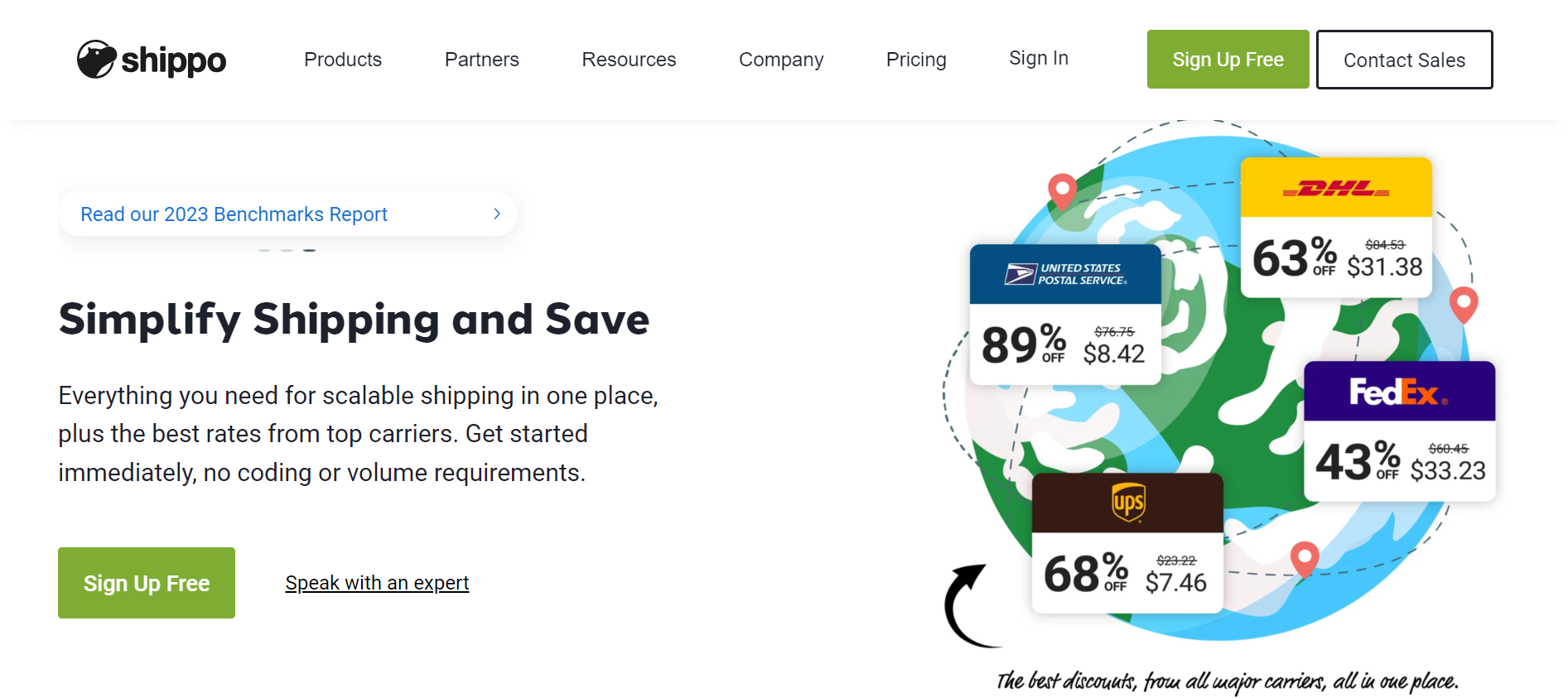 Shippo goes beyond Stamps.com’s postage capabilities by offering an all-in-one shipping platform. It connects businesses to multiple carriers, helping them find the best shipping rates and services. Its user-friendly interface, automated label generation, and integration with e-commerce platforms make it a robust alternative. With multi-carrier support, real-time tracking, and a focus on simplifying shipping operations, Shippo provides a competitive edge to businesses seeking comprehensive shipping solutions.
Pros:
- Multi-Carrier Support: Access to a variety of carriers, allowing businesses to choose the most cost-effective option.
- Automated Label Creation: Simplifies label generation and reduces manual errors.
- Real-Time Tracking: Provides customers with real-time tracking updates.
Cons:
- Learning Curve: New users might need time to familiarize themselves with the platform.
- Pricing: Costs can add up based on the number of shipments.
ShipStation: Scaling for E-commerce Growth
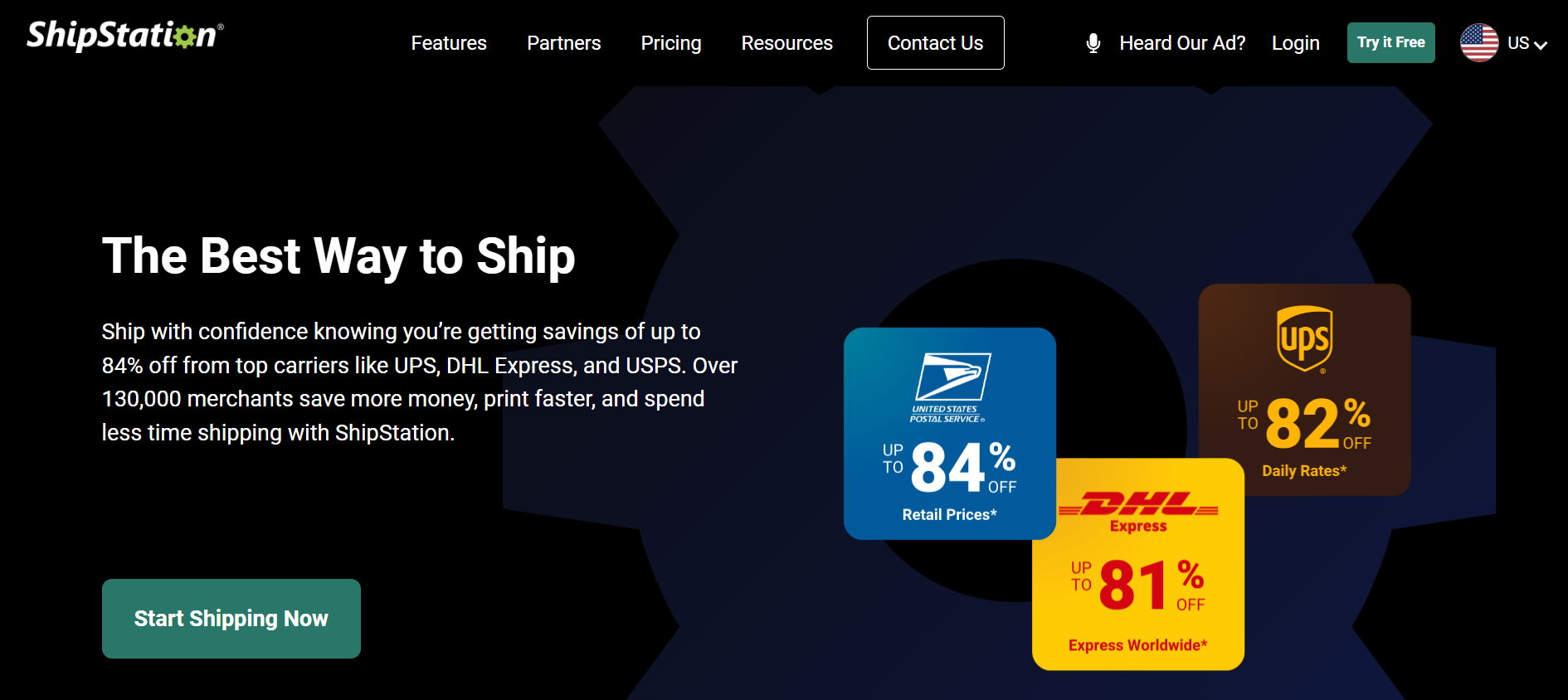 ShipStation is tailored for businesses experiencing e-commerce growth, making it a versatile alternative to Stamps.com. It seamlessly integrates with various marketplaces, shopping carts, and carriers, streamlining order management, label creation, and automation. Its advanced features, including customizable packing slips and multi-location inventory management, cater to businesses seeking scalability and efficiency in their shipping processes.
Pros:
- E-commerce Integrations: Seamlessly integrates with major e-commerce platforms.
- Advanced Features: Offers customizable packing slips, branded tracking pages, and multi-location inventory management.
Cons:
- Complexity: Extensive features might be overwhelming for smaller businesses.
- Pricing: Higher pricing plans might not be suitable for startups.
Easyship: International Shipping Made Simple
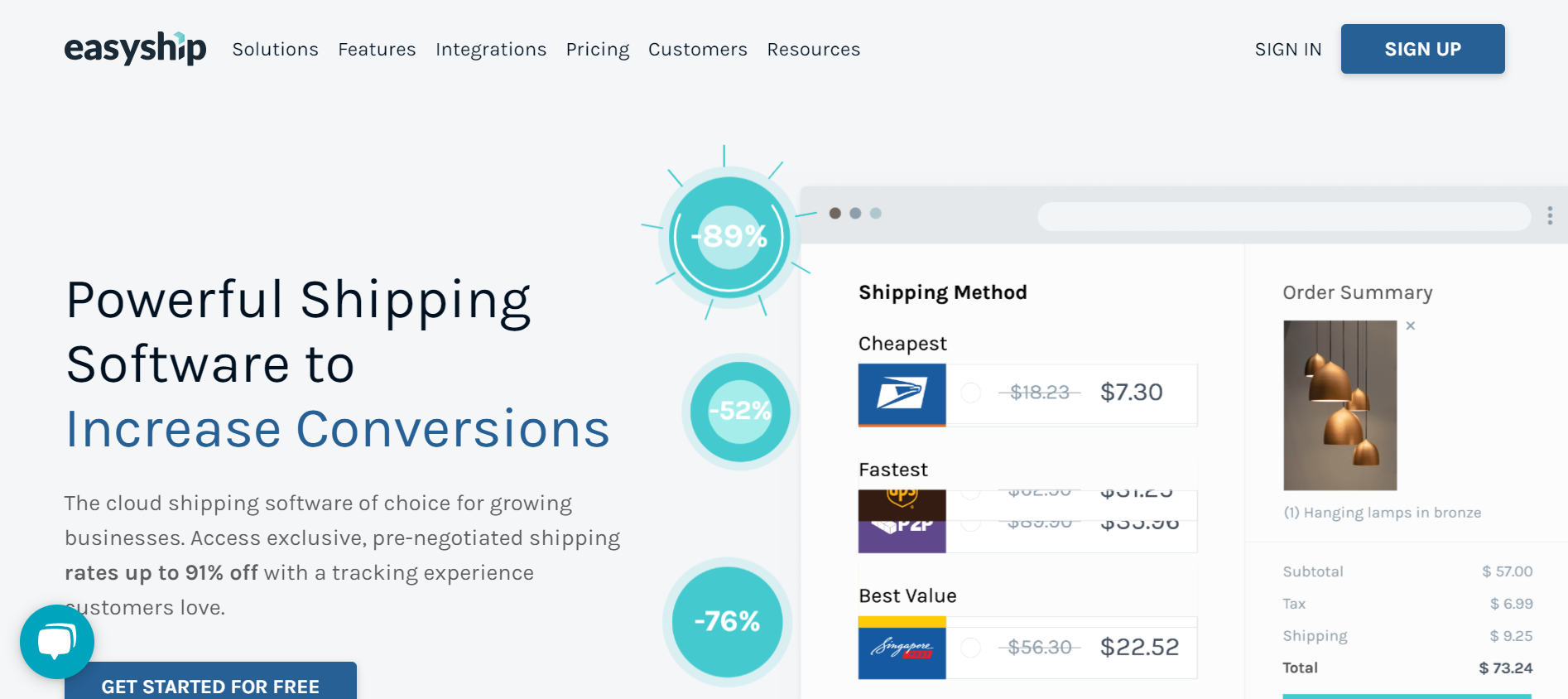 Unlike Stamps.com’s primary domestic focus, Easyship specializes in international shipping. It offers access to multiple courier services and real-time duty and tax calculations, making cross-border shipping simpler. With features like global shipping and duty calculations, Easyship addresses the complexities of international shipping that Stamps.com might not fully encompass.
Pros:
- Global Shipping: Provides solutions for businesses with international customers.
- Duty and Tax Calculations: Calculates duties and taxes in real-time for cross-border shipments.
Cons:
- Learning Curve: Understanding international shipping regulations can be complex.
- Pricing: Pricing plans might not suit businesses with lower shipping volumes.
ShippingEasy: Merging Shipping and Marketing
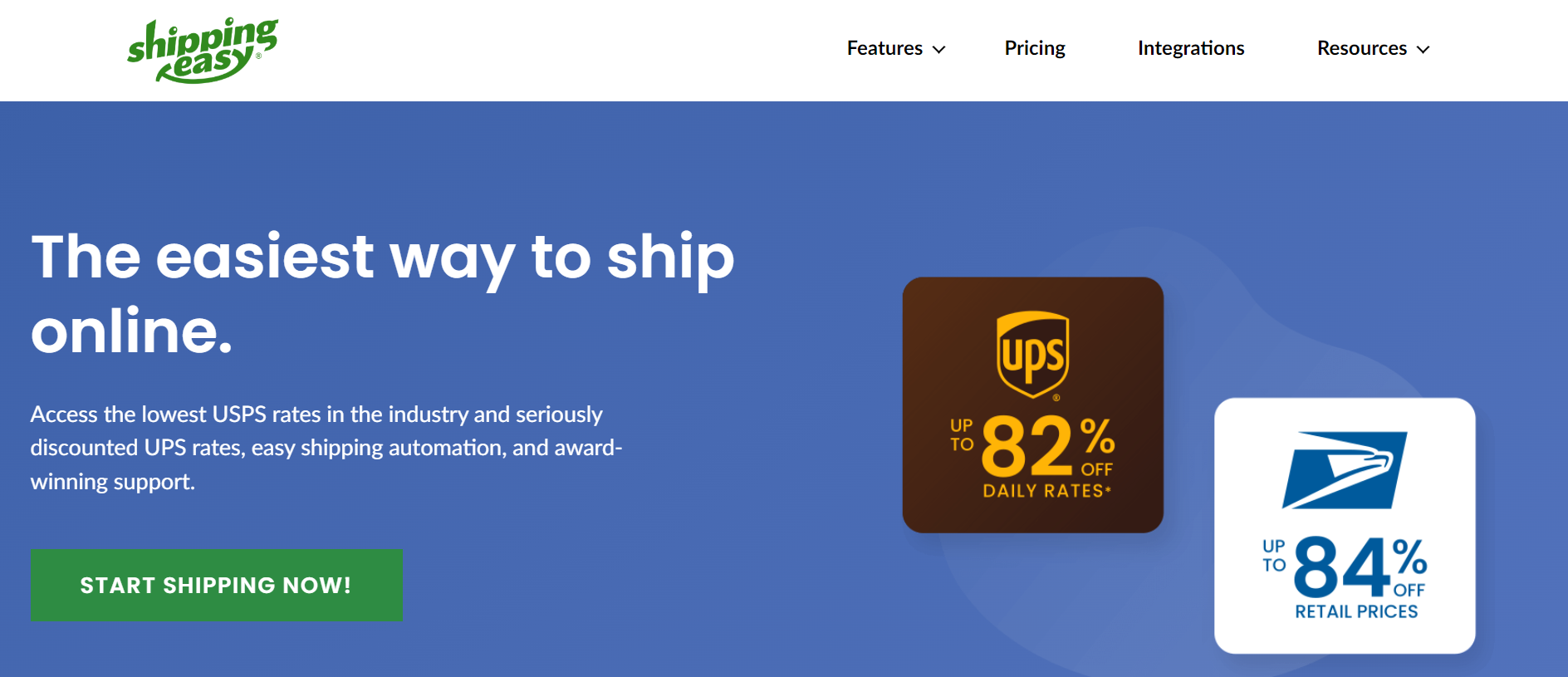 ShippingEasy stands as an alternative that merges shipping management with email marketing, catering to businesses seeking to enhance customer engagement beyond shipping. While Stamps.com primarily focuses on postage, ShippingEasy offers the ability to combine shipping and marketing efforts, creating a more holistic approach to customer interaction.
Pros:
- Email Marketing Integration: Seamlessly combines shipping and marketing efforts.
- Customer Engagement: Helps maintain customer relationships beyond shipping.
Cons:
- Learning Curve: Integrating marketing and shipping might require time.
- Pricing: Pricing plans might not be as competitive as standalone shipping solutions.
Ordoro: Harmonizing Inventory and Shipping
 Ordoro differentiates itself by focusing on both inventory management and shipping operations. It provides a centralized solution for order processing and inventory optimization, catering to businesses seeking seamless coordination between their shipping and inventory needs.
Pros:
- Inventory Optimization: Streamlines inventory management alongside shipping.
- Multi-Channel Integration: Integrates with various sales channels.
Cons:
- Complexity: Managing both inventory and shipping can be intricate.
- Learning Curve: New users might need time to understand the platform.
Clickpost: Enhancing Shipping Efficiency
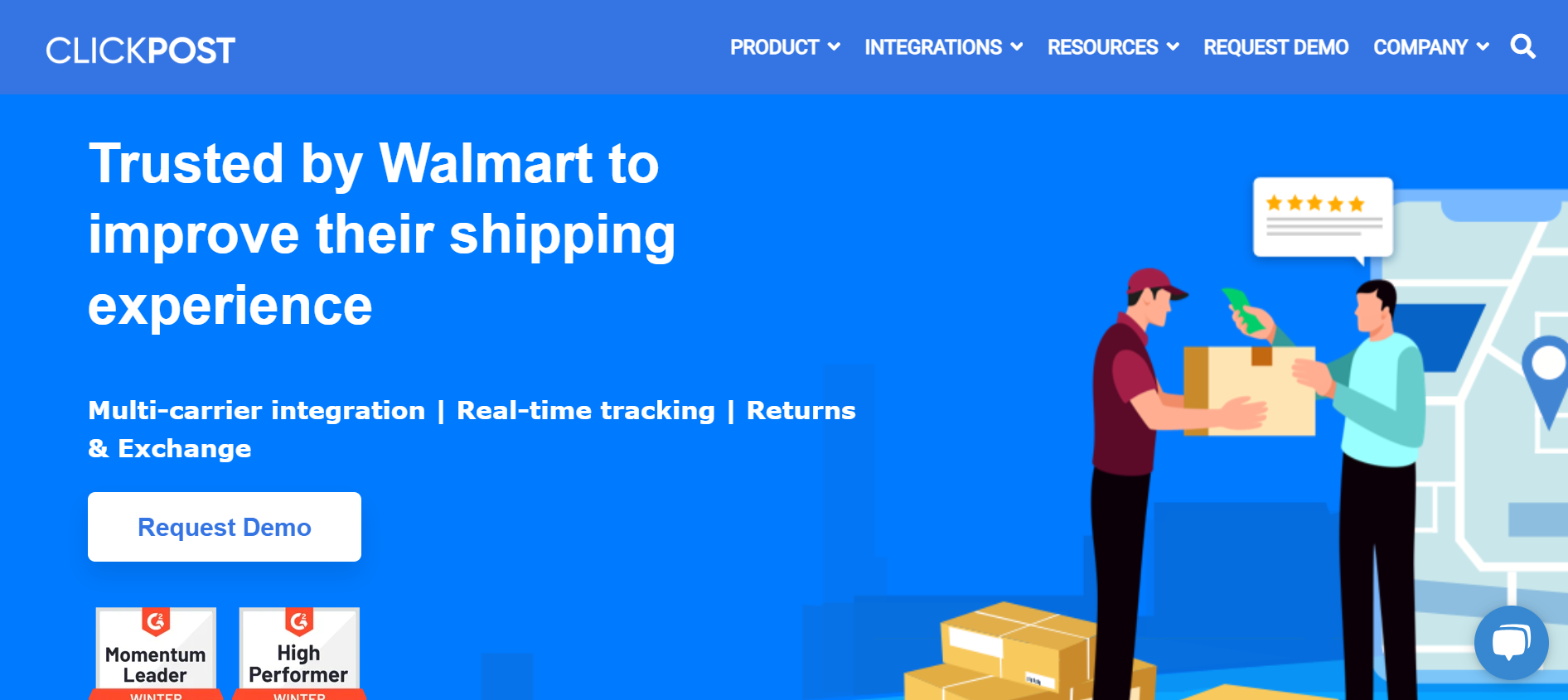 Clickpost stands as a dynamic shipping solution that redefines how businesses manage their shipping operations. Unlike Stamps.com, Clickpost offers a comprehensive platform that encompasses various carriers and logistics partners, allowing users to select the most optimal shipping option for their needs. With its focus on scalability and efficiency, Clickpost empowers businesses to streamline their shipping processes and provide top-notch customer experiences, making it a versatile alternative for those seeking a holistic approach to shipping management.
Pros:
- Carrier Options: Diverse carrier networks to suit varying shipping needs.
- Data Insights: Analytics and reporting features aid in decision-making.
Cons:
- Learning Curve: New users may need time to navigate the platform effectively.
- Feature Depth: Some advanced features might not be as extensive as dedicated solutions.
AfterShip: Elevating Post-Purchase Experience
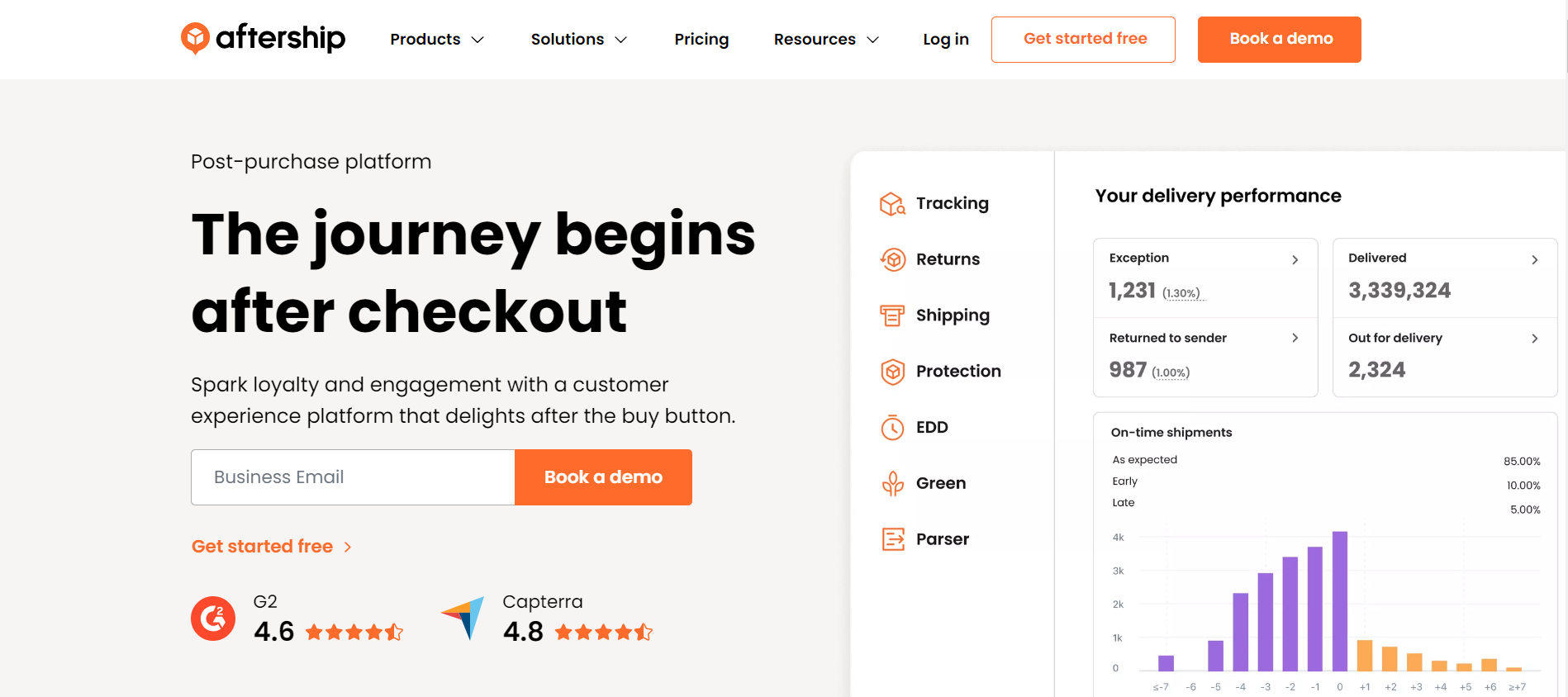 In contrast to Stamps.com, AfterShip takes a customer-centric approach by enhancing the post-purchase experience through advanced shipment tracking and notifications. While Stamps.com primarily revolves around postage label printing, AfterShip focuses on keeping customers informed and engaged. It integrates with various carriers and provides customers with real-time tracking updates via email and SMS. This plugin places a strong emphasis on brand trust and transparency, making it an ideal choice for businesses striving to enhance customer loyalty through superior post-purchase experiences.
Pros:
- Customer Satisfaction: Elevates the customer experience through proactive tracking updates.
- Branding Opportunities: Custom tracking pages maintain brand consistency.
Cons:
- Shipping Focus: Primarily focuses on tracking and notifications, lacking broader shipping features.
- Integration Complexity: This may require integration with other platforms for full functionality.
Shiprocket: Catering to Indian E-commerce
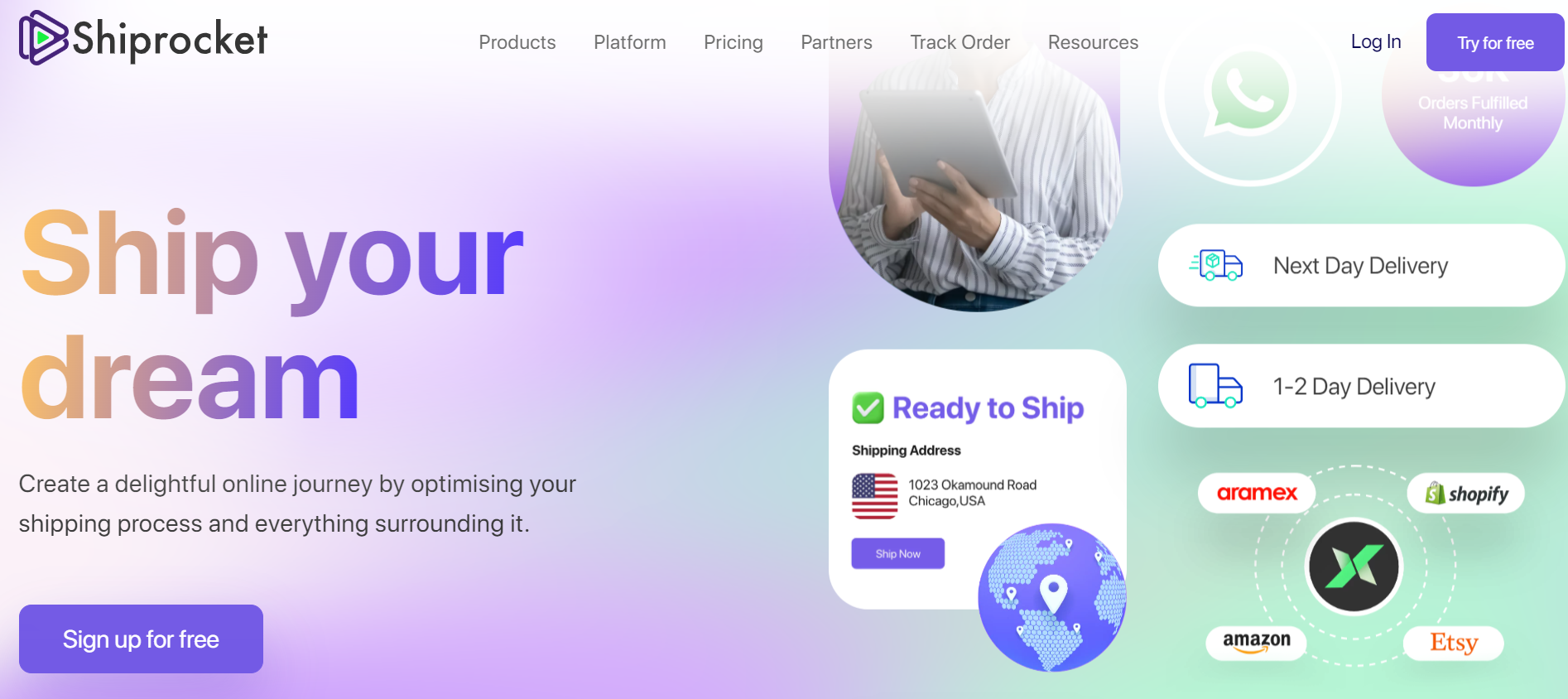 Shiprocket offers an end-to-end e-commerce shipping solution that goes beyond the scope of Stamps.com. Geared towards e-commerce businesses, Shiprocket seamlessly integrates with multiple e-commerce platforms, allowing users to manage orders, print labels, and track shipments from a single dashboard. Additionally, Shiprocket collaborates with various carriers to offer competitive shipping rates and services, catering to the diverse needs of e-commerce ventures.
Pros:
- India Focus: Specifically caters to the unique needs of Indian e-commerce businesses.
- Variety of Integrations: Integrates with multiple platforms for seamless operations.
Cons:
- Geographical Limitation: Primarily serves the Indian market, limiting its global reach.
- Learning Curve: New users might need time to understand the platform’s offerings.
ELEX EasyPost Shipping & Label Printing Plugin for WooCommerce: Empowering E-commerce Shipping
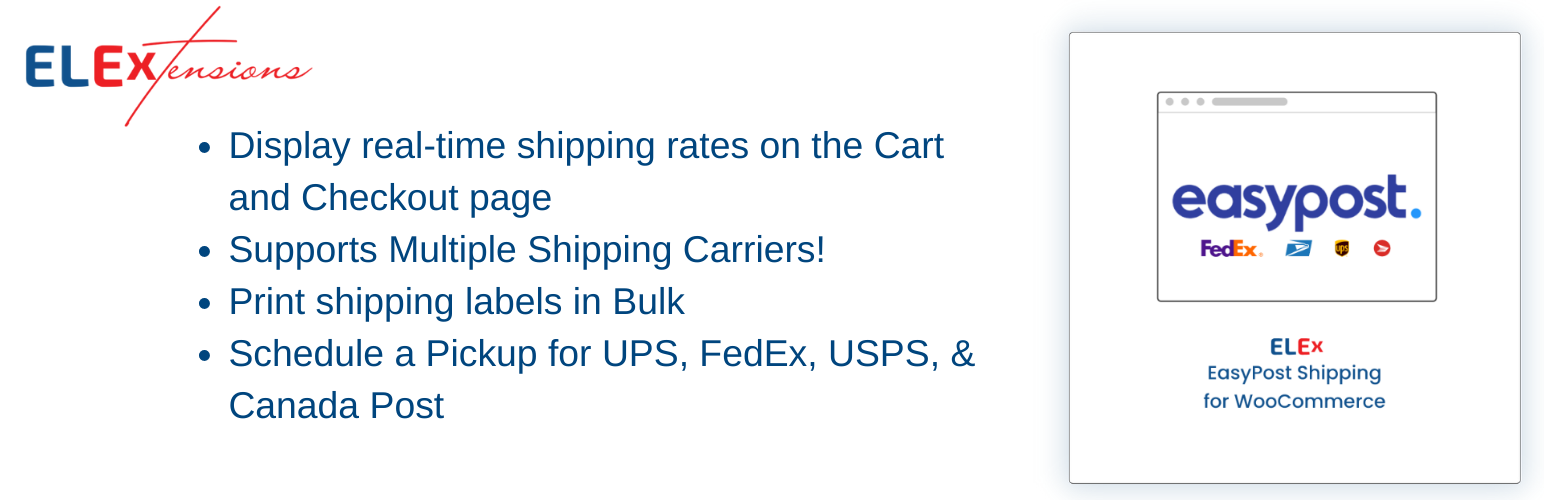 In the realm of WooCommerce-powered e-commerce, ELEX EasyPost Shipping & Label Printing Plugin reigns supreme as a powerful alternative to Stamps.com. This plugin seamlessly integrates with WooCommerce, providing a tailored shipping experience for online stores. With support for carriers like FedEx, UPS, Canada Post, and USPS, it offers real-time shipping rates, automated label creation, and advanced features that streamline the shipping process. Unlike Stamps.com, ELEX EasyPost Plugin merges e-commerce and shipping, making it an indispensable tool for businesses seeking efficient shipping solutions.
Pros:
- WooCommerce Integration: Seamlessly integrates with WooCommerce, offering a tailored shipping experience for online stores.
- Multi-Carrier Support: Supports popular carriers, giving businesses flexibility in choosing the most cost-effective shipping option.
- Real-Time Shipping Rates: Provides accurate real-time shipping rates for customers, reducing cart abandonment.
- Label Printing: Streamlines label creation and printing, enhancing efficiency in the shipping process.
Cons:
- Plugin Learning Curve: New users might need time to familiarize themselves with the plugin’s features and settings.
Choosing the Right Alternative: Factors to Consider
Selecting the right Stamps.com alternative depends on several key factors:
- Shipping Volume: Consider your daily shipping volume and whether the alternative can accommodate your current and future needs.
- Budget: Evaluate pricing plans, including transaction fees, subscription costs, and shipping rates, to ensure they align with your budget.
- Integration: Check if the alternative integrates seamlessly with your existing e-commerce platforms, marketplaces, and other tools.
- International Shipping: If you ship internationally, prioritize alternatives that offer reliable cross-border shipping solutions.
- Automation: Assess the level of automation and customization options available for label creation, order processing, and tracking.
- Customer Support: Look for alternatives that offer responsive customer support to address any issues or questions that arise.
Conclusion: Tailoring Shipping Solutions to Your Business
As the e-commerce landscape evolves, so do shipping needs. While Stamps.com has been a reliable solution, there are alternatives that cater to different business sizes, preferences, and requirements.
Whether you’re seeking simplicity, international capabilities, integration with e-commerce platforms, or a combination of features, the alternatives mentioned above provide a range of choices. The key lies in understanding your shipping requirements, budget constraints, and growth aspirations.
By exploring the landscape of Stamps.com alternatives and competitors, you can identify the perfect fit that streamlines your shipping processes, enhances customer satisfaction, and propels your business toward shipping success.
If you have any questions regarding stamps.com or any of its alternatives, please let us know in the comments section below.